
Listening to the Building: Hyde Park Barracks
Hyde Park Barracks is not the kind of museum where history waits quietly behind glass cases, accompanied by small labels and restrained descriptions. It does contain objects. In fact, it holds and displays thousands of original artefacts, many recovered through archaeology. But the visitor experience is not organised around objects alone.
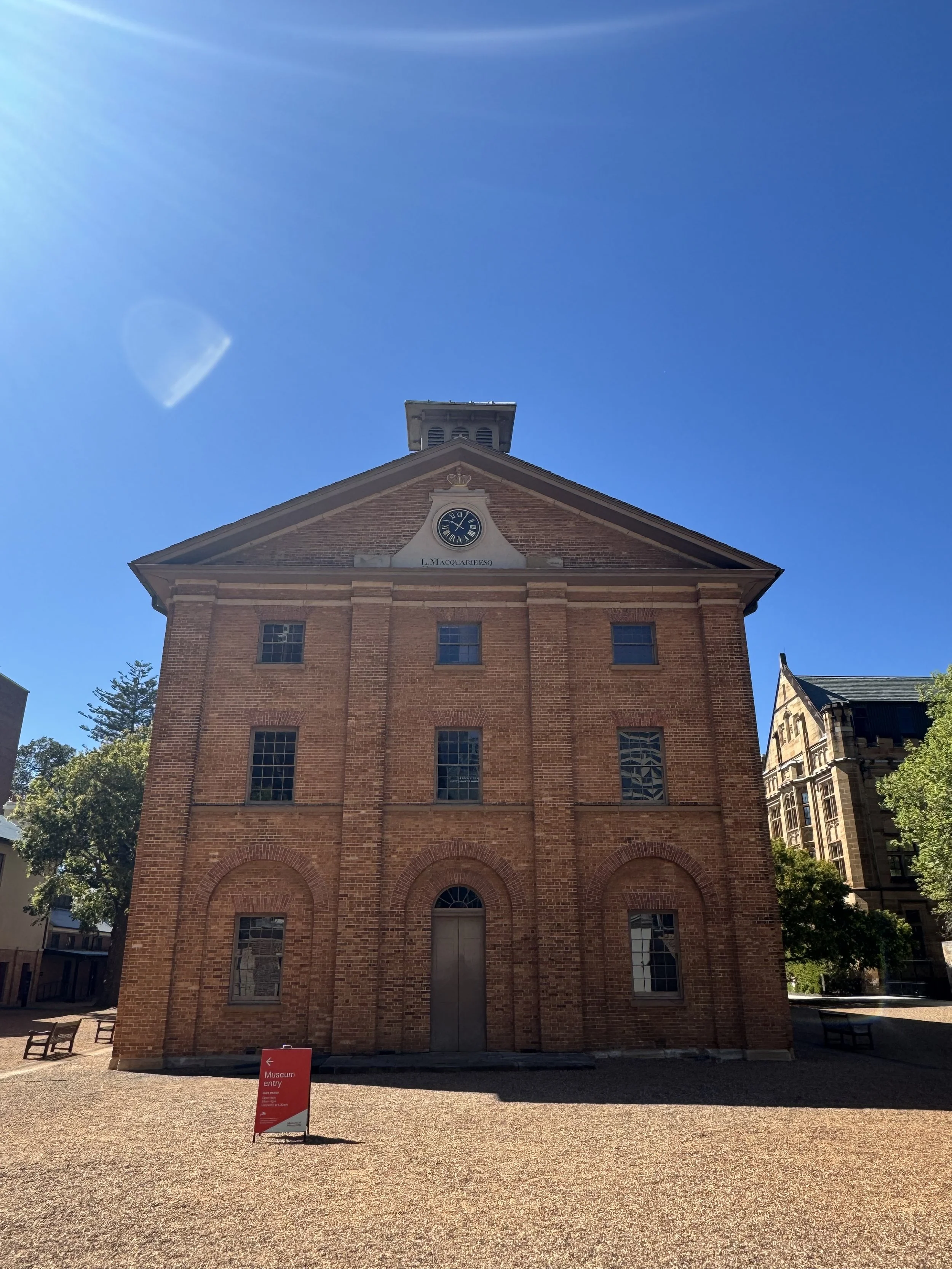
Instead, the building responds.
You put on headphones. As you move through the rooms, the sound changes with you. Voices appear and disappear. The building is not only something to look at; it becomes something to listen to, move through and physically respond to. This is what makes Hyde Park Barracks different from many traditional museum visits. It does not simply present the past as information. It asks visitors to enter a place where architecture, sound, light, objects and bodies work together.
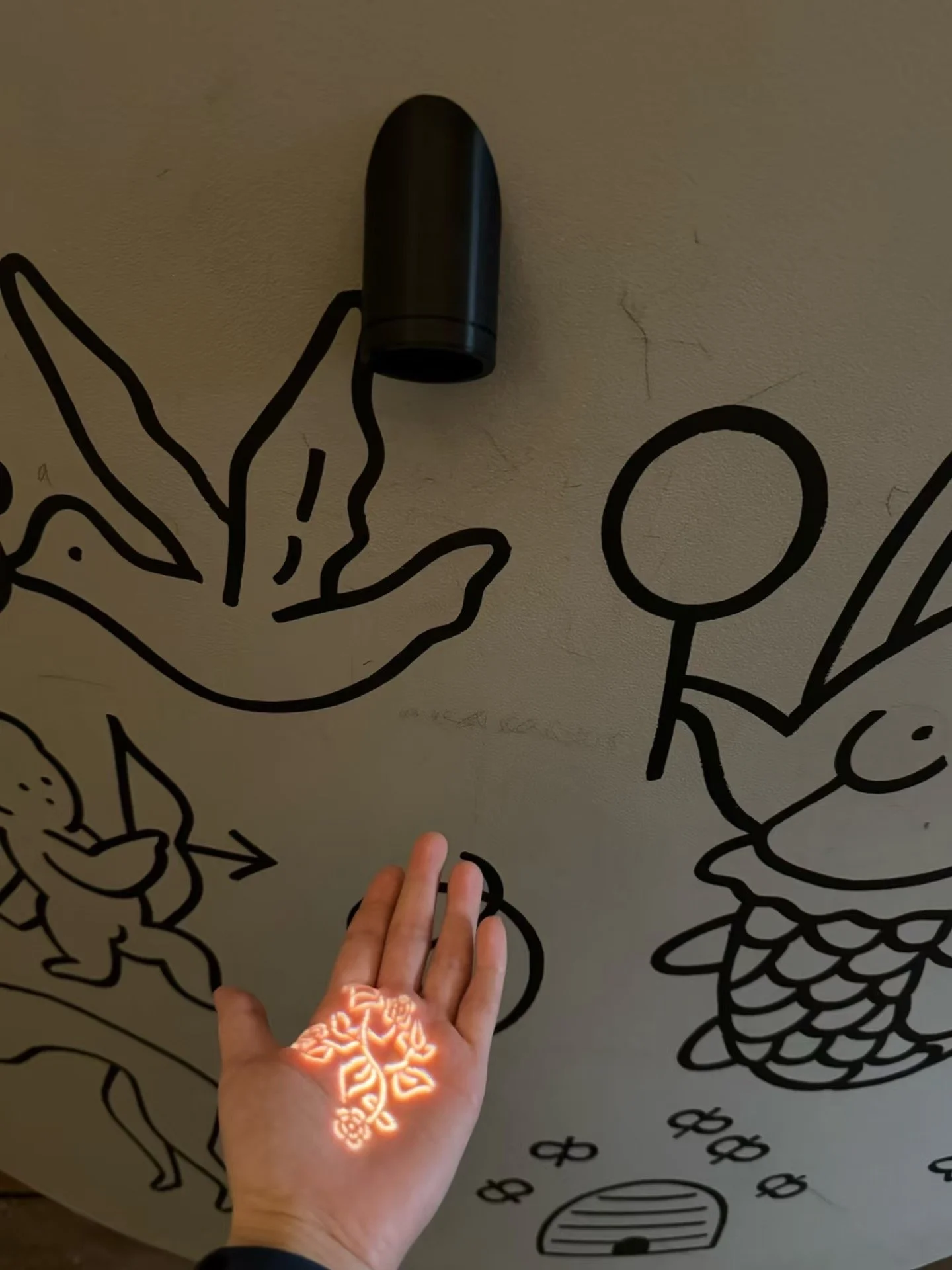
One small moment captures this well. In one display, convict tattoos are projected through light. When you place your hand or arm under the beam, the image falls briefly onto your own skin. It is a clever design gesture, almost playful at first. But it also does something more serious. It turns a historical record into a bodily encounter. The tattoo is no longer only something observed at a distance. For a moment, it appears on you.
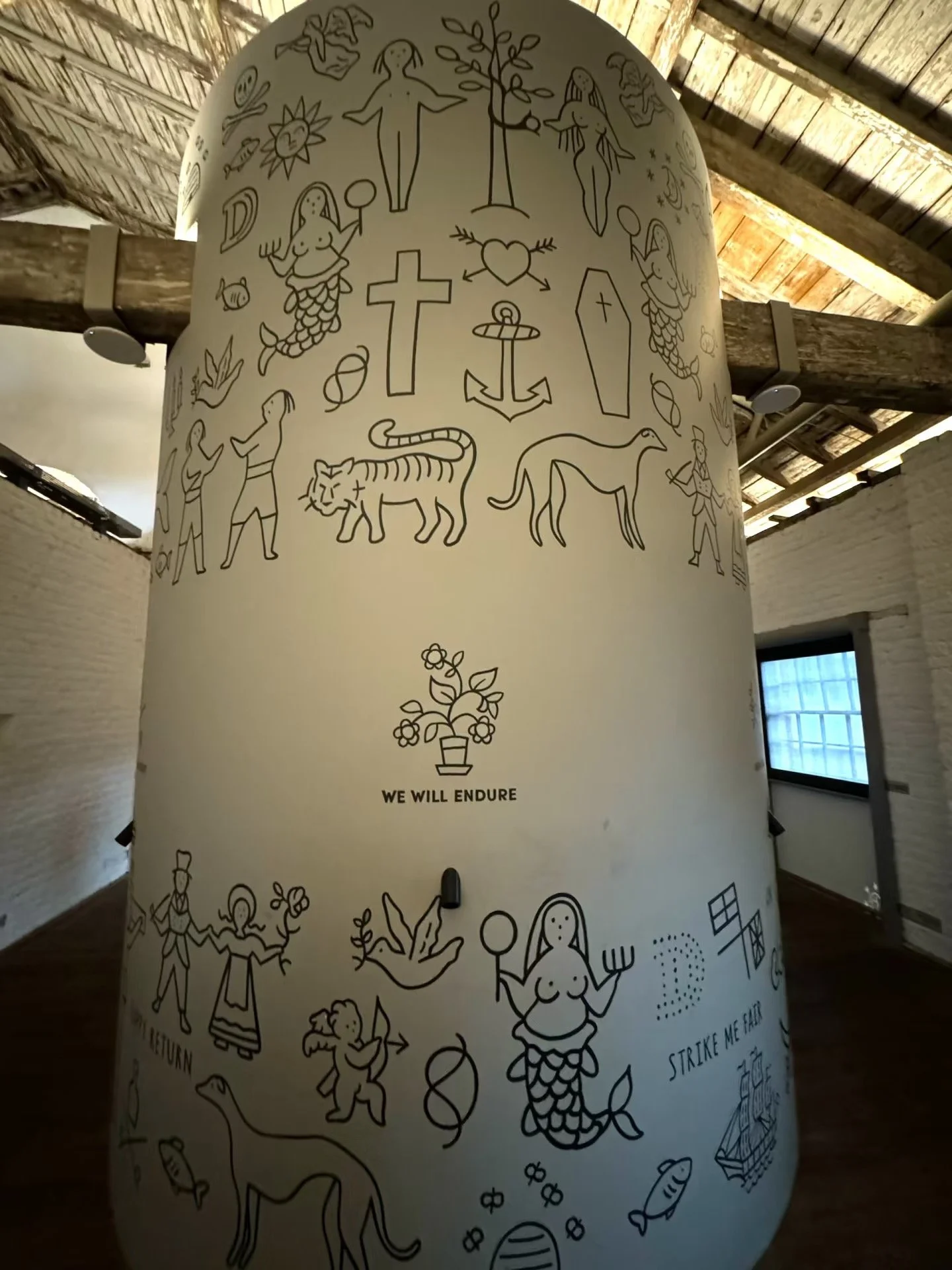
That moment matters because Hyde Park Barracks is a place deeply concerned with bodies: bodies housed, counted, disciplined, transported, inspected, employed, confined and remembered. Built in 1819 under Governor Lachlan Macquarie, the barracks originally accommodated male convicts. Later, it became an immigration depot for single women, an asylum for aged and destitute women, government offices and law courts. Today it is a UNESCO World Heritage-listed site and museum.
To read Hyde Park Barracks only as an old building would be too simple. It is better understood as evidence: evidence of convict administration, forced labour, colonial order, institutional care, migration, gendered vulnerability and the continuing impact of colonisation.
The museum’s immersive design helps make this evidence felt. Its location-responsive audio guide does not behave like a conventional audio tour, where visitors press a number and listen to a fixed explanation. Instead, the soundscape responds to where visitors are. As you move through the rooms, the interpretation follows your position. The audio guide is available in eight languages, which makes the experience more accessible to international visitors. This matters because Hyde Park Barracks carries dense and difficult histories: convict transportation, colonial administration, institutional confinement and First Nations dispossession. Translation here is not only about accuracy. It also needs to carry tone, emotion and ethical weight.
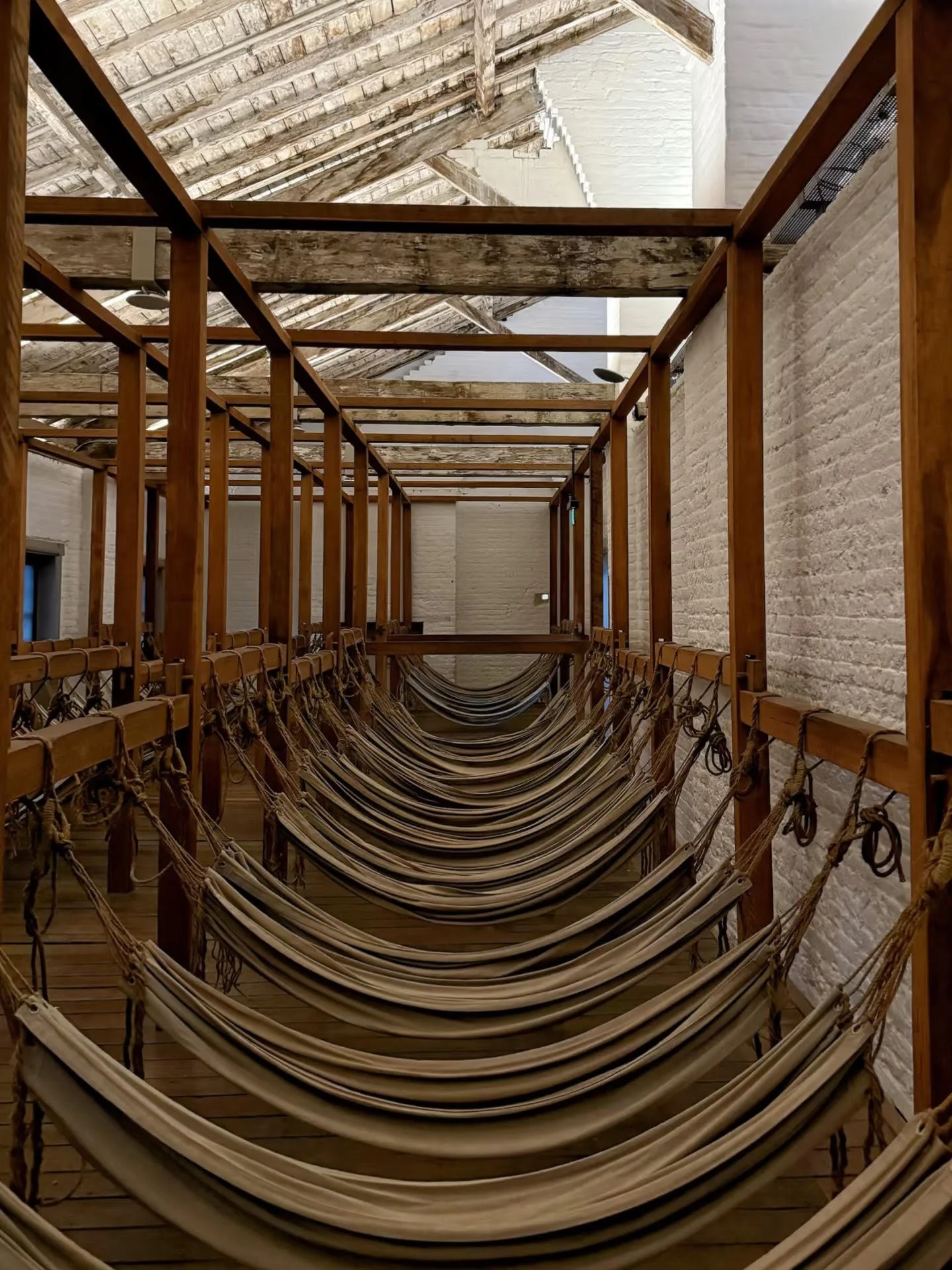
The strongest parts of the museum are not immersive because they are technically impressive. They are immersive because they return attention to the place itself. Sound, projection and movement do not replace the building; they help visitors notice the sandstone walls, dormitory rooms, courtyard, archaeology and institutional layers as evidence. This balance matters because Hyde Park Barracks is not an immersive experience in the entertainment sense. Its histories involve forced migration, punishment, colonial expansion, poverty, gendered vulnerability and institutional control. Audio and digital media can bring visitors closer to historical lives, but they also need to remain accountable to sources: where does archival evidence end, and where does reconstruction begin? The same is true of the site’s position on Gadigal Country. First Nations perspectives should not sit at the edge of the story as context only, because the barracks did not simply house convicts inside a colonial city; it helped build and manage that city on Country. Hyde Park Barracks matters not only because of what it preserves, but because of how it teaches visitors to encounter the past through movement, sound, light, body and the building itself. History here is not only displayed. It is something you move through.
